Wilam Wiinj Bridge
Purpose & Connectivity
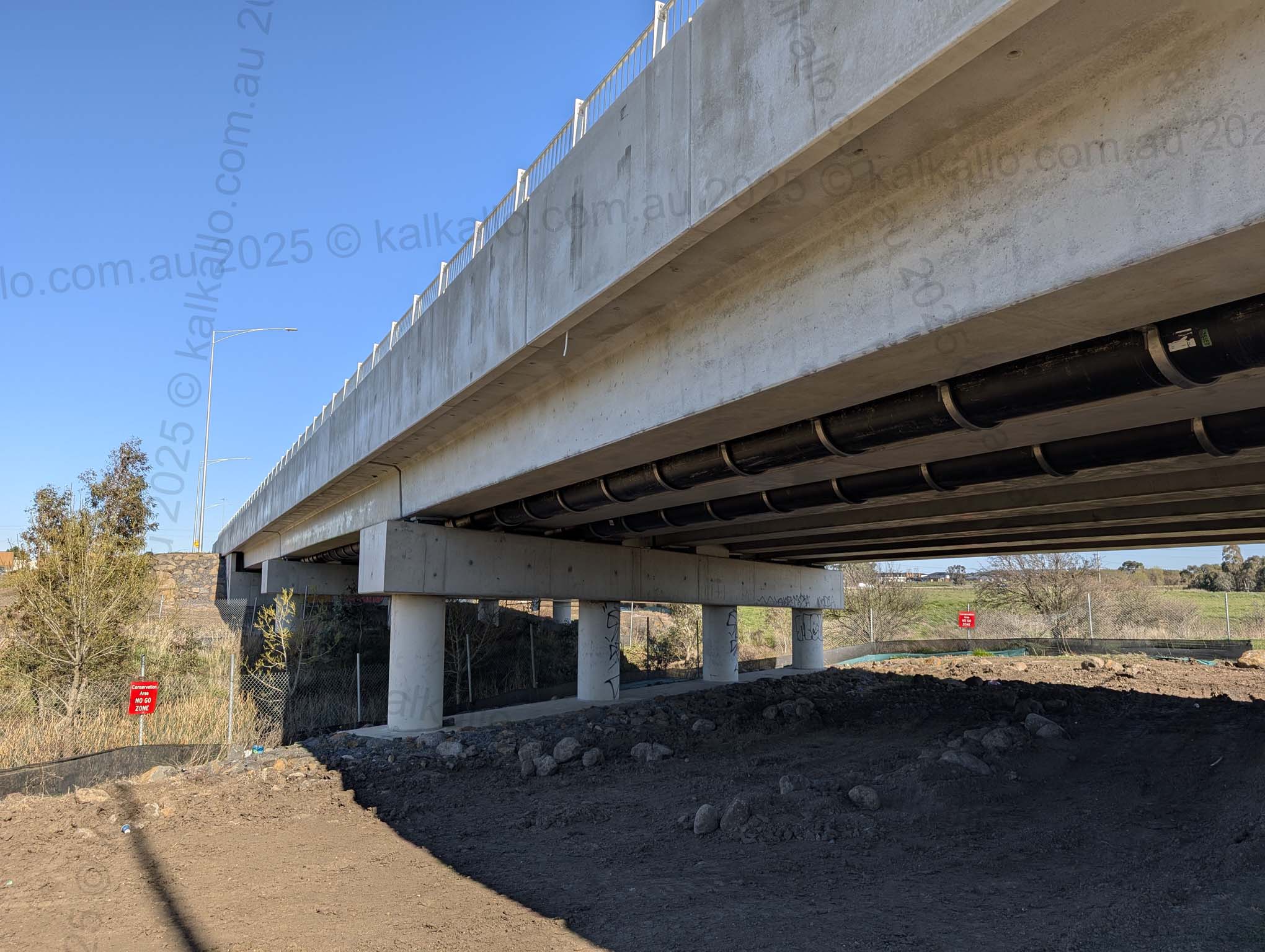
The Wilam Wiinj Bridge—formerly known as the Cloverton Boulevard Bridge—provides a vital second access point into the Cloverton masterplanned community, linking Klandy Drive to Donnybrook Road. This new connection helps relieve pressure on Dwyer Street, the previous sole entry/exit route, reducing congestion during peak hours.
Infrastructure & Design
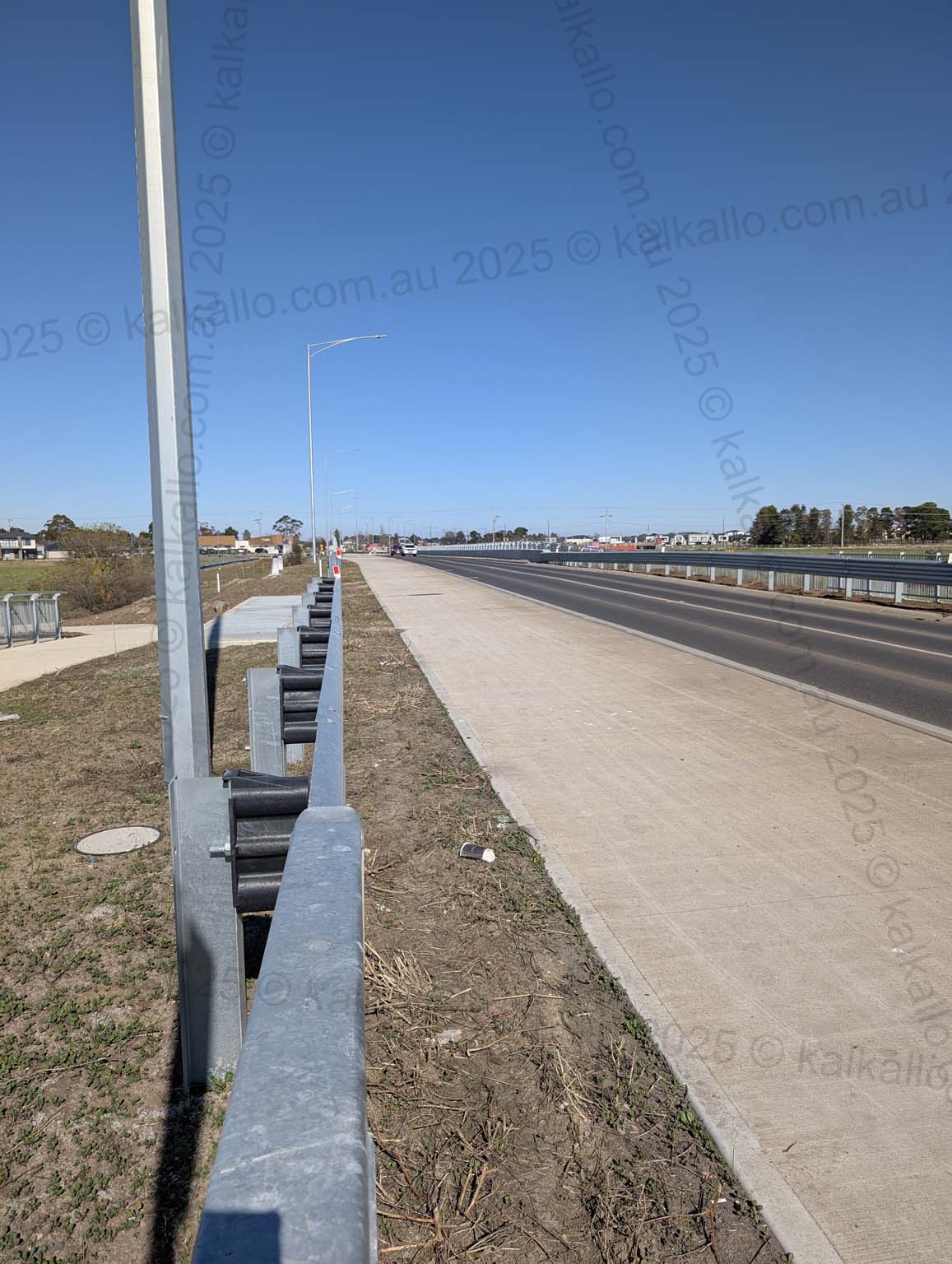
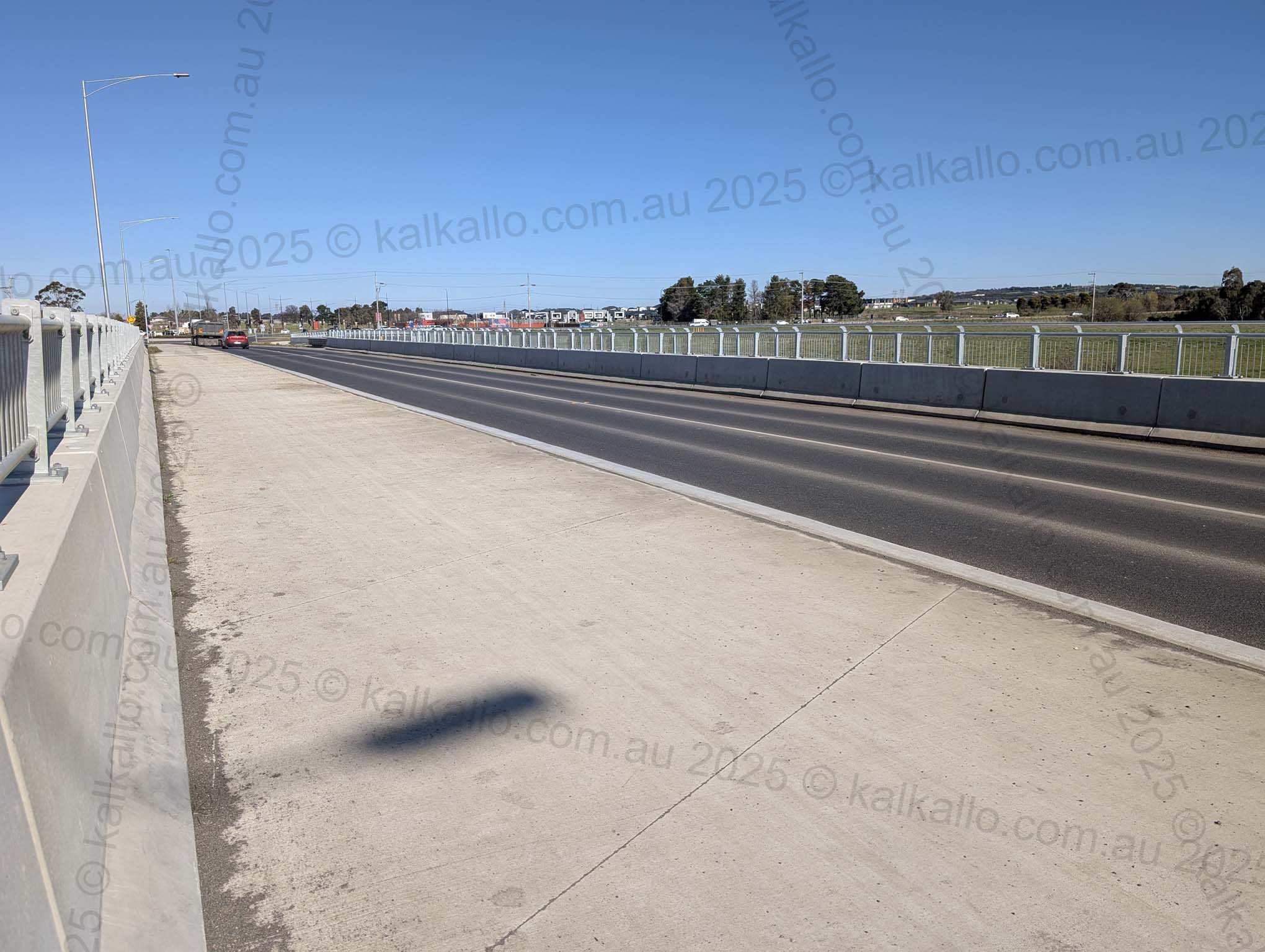
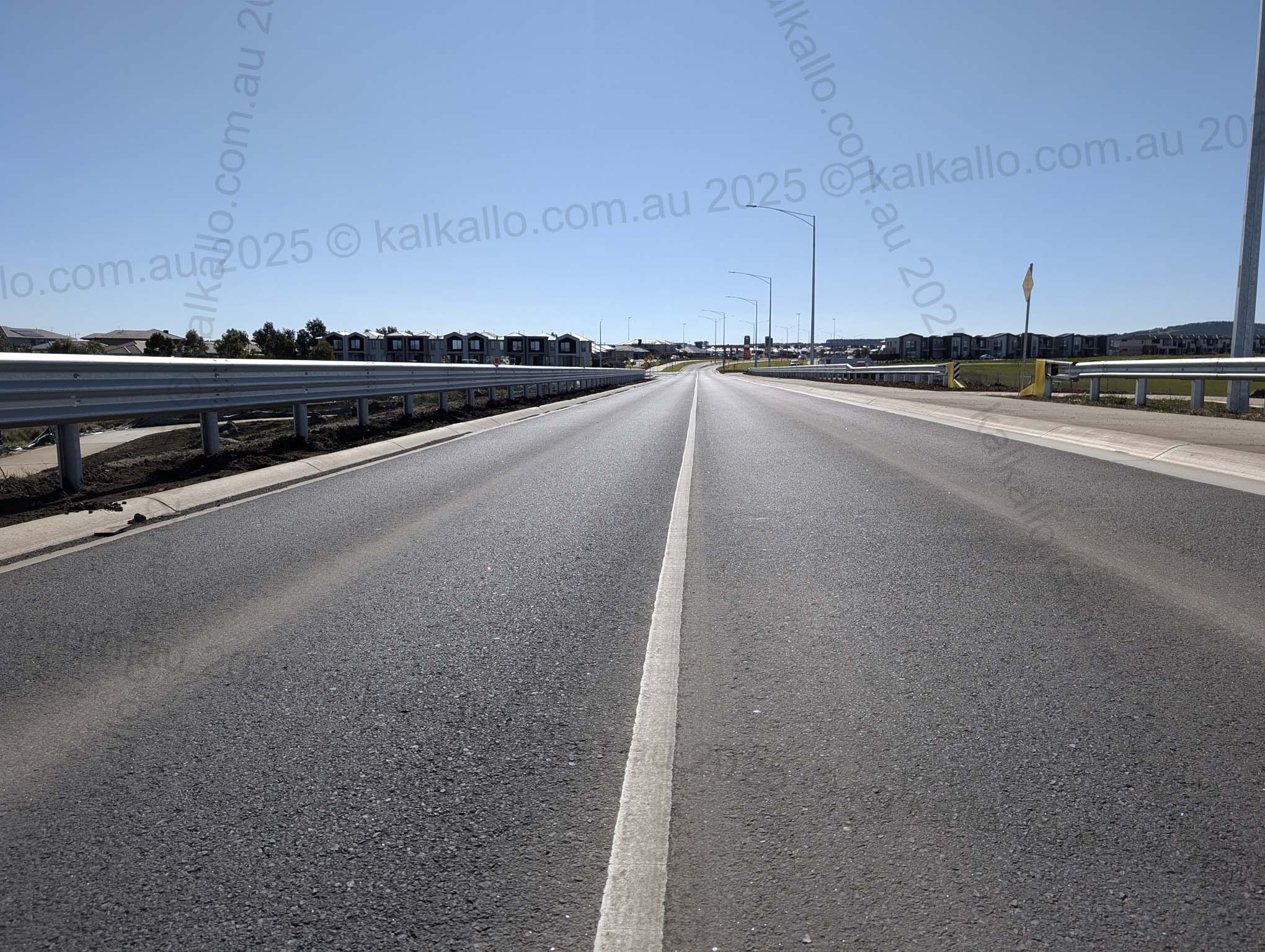
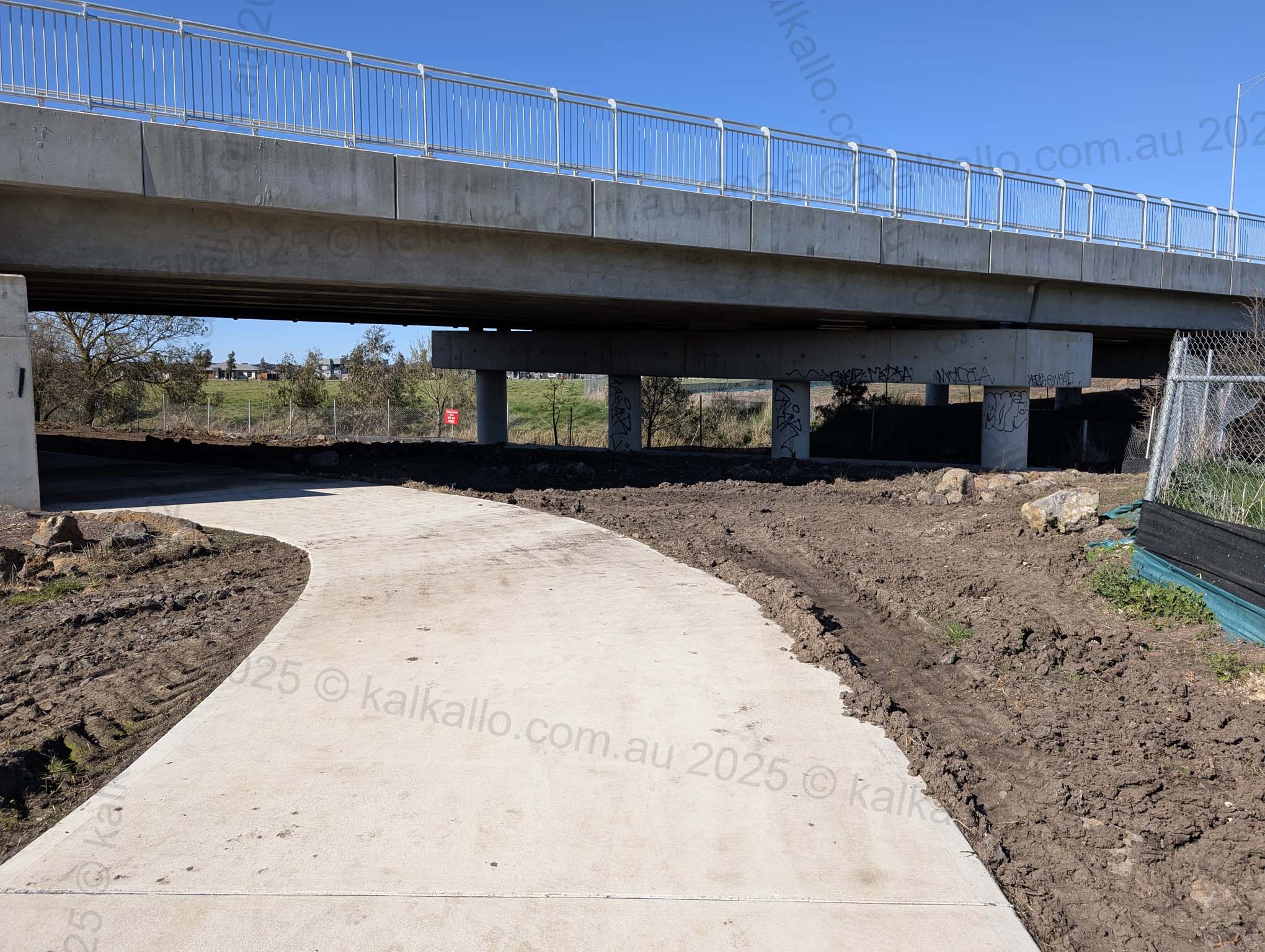
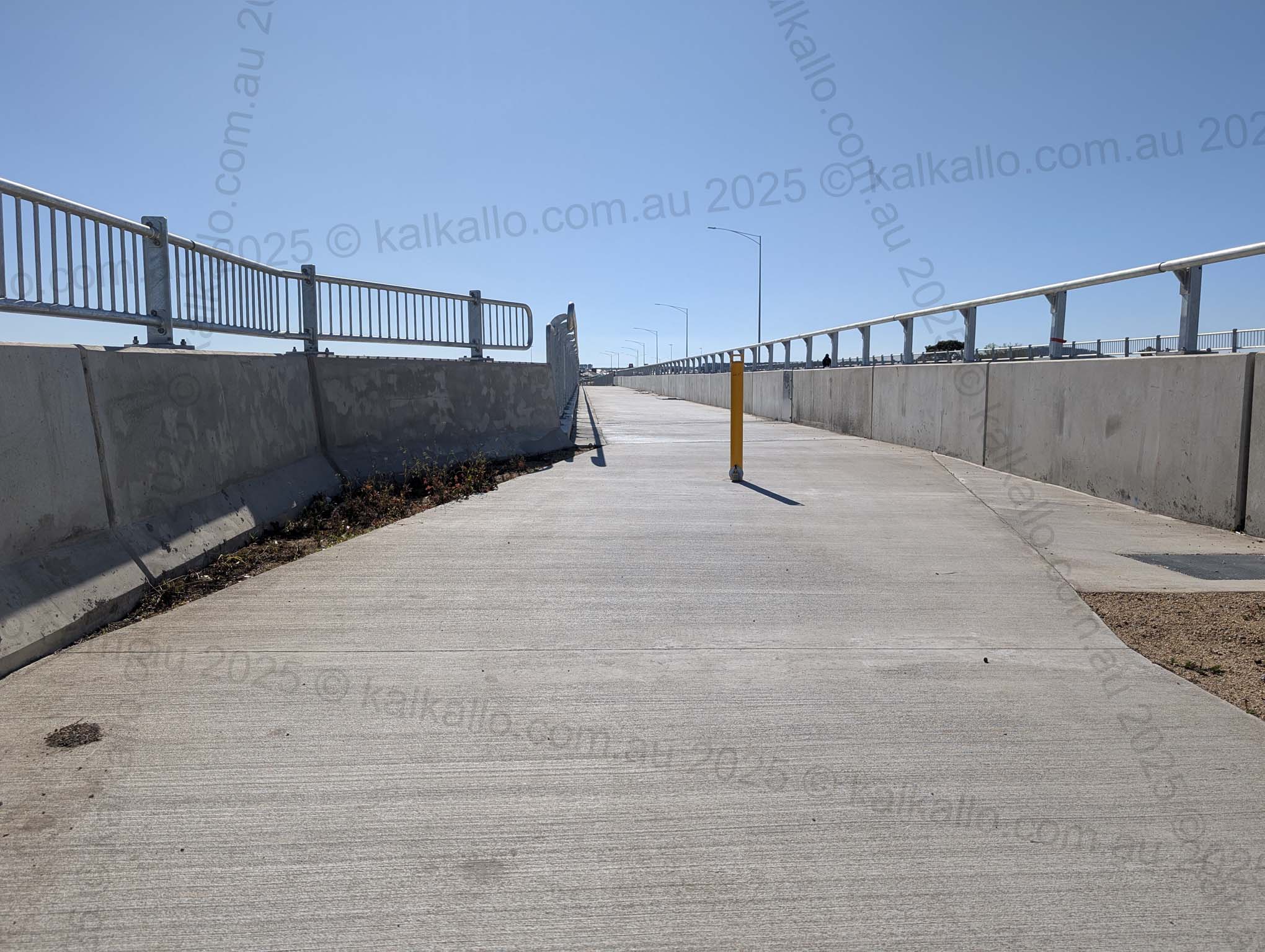
The bridge is 390 metres long, built for two-way vehicle traffic, and includes dedicated pedestrian and cyclist paths. It’s also designed to accommodate future bus routes.
It features two dry and two wet culverts beneath the structure to support the safe movement of fauna, including the Growling Grass Frog, native to the Merri Creek area.
Cultural Significance & Artwork
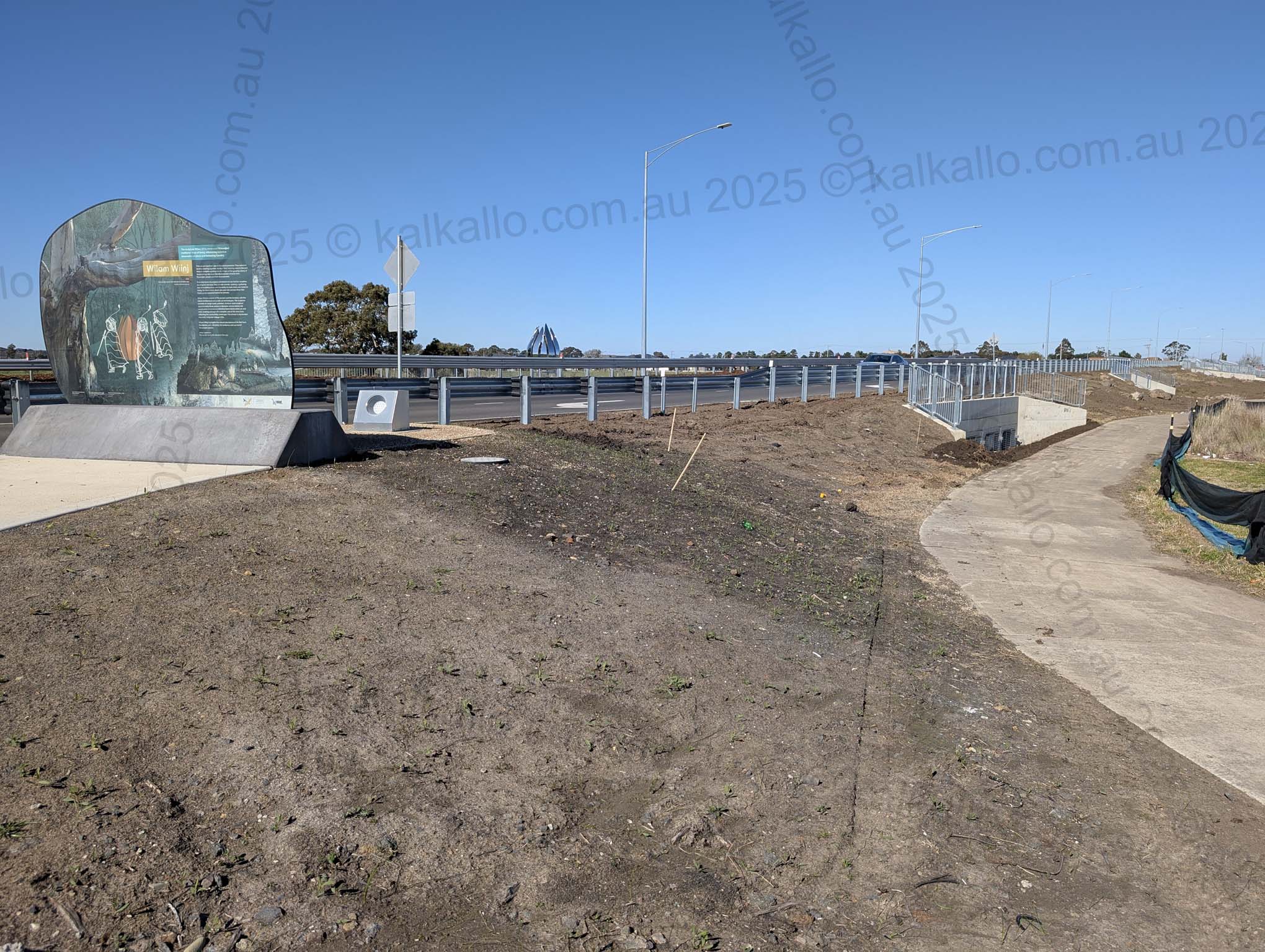
The name Wilam Wiinj translates to “campfire” in the local Indigenous language, chosen to reflect the campfires observed along Merri Creek by early explorers William Hovell and Hamilton Hume, and to honour the cultural presence of Wurundjeri people.
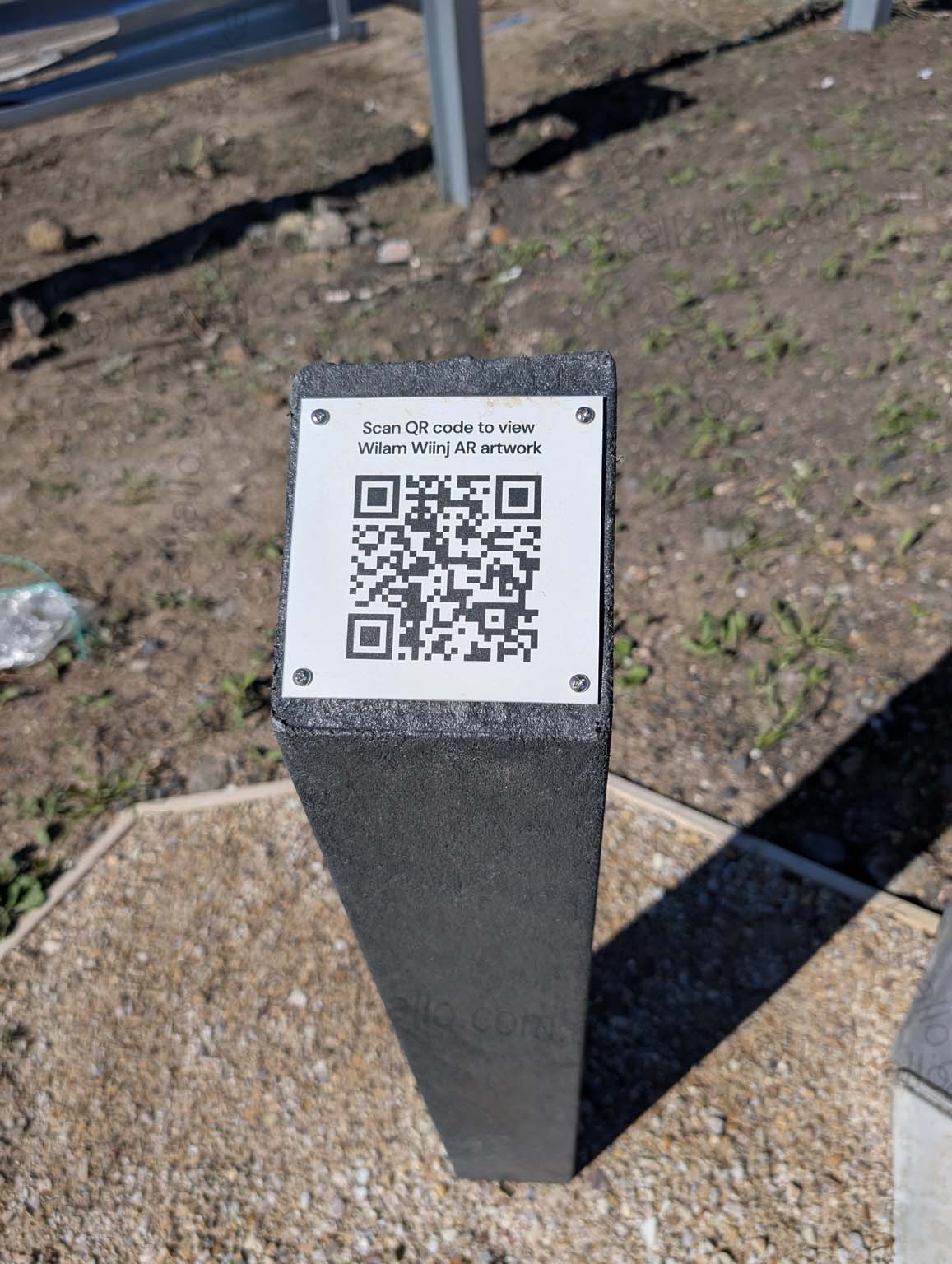
At the northern end of the bridge, there is a steel sculpture of a campfire created by artists Aunty Kim Wandin and Chris Joy from Murrup Biik, in collaboration with local sculptor Jason Waterhouse from Sculpture Co. The artwork symbolizes family, gathering, and warmth.
The sculpture itself is large-scale—about 3 m in diameter and 6 m tall, made from polished stainless steel, and designed to glow like a campfire at dusk using low-voltage LEDs.
Funding & Construction
The project cost approximately $16 million, funded by Stockland in partnership with Hume City Council, City of Whittlesea, Melbourne Water, and the Department of Energy, Environment and Climate Action (DEECA).